

Used Robot Records: Interpret the Database Change Count
2026-11-02
Used Robot Records: Interpret the Database Change Count
A change count in a used-robot records tool can describe database activity without describing how many robots the inventory contains. A supplier may show a numerical result during a data handover and call it the number processed. Before accepting that statement, the buyer should ask which operation and counting scope the number represents. This article proposes a review and executes no database statement or real listing update.
Ask what the reported number is intended to count
Begin with the supplier’s wording. Does processed mean rows affected by one statement, activity on a connection, or equipment records meeting a defined business condition? These are different questions. The receiving note should preserve the intended meaning rather than infer it from a familiar progress display.
The buyer also needs to know which database interface produced the number. A label chosen by an application author may conceal a more specific underlying counter. Ask the supplier to identify that relationship so another reviewer can interpret the result without guessing.
No count is supplied in the fictional example. Prepare questions about the operation and scope instead of inventing a plausible batch size. A realistic-looking progress total would not establish what a real delivery processed or whether the listed equipment exists.
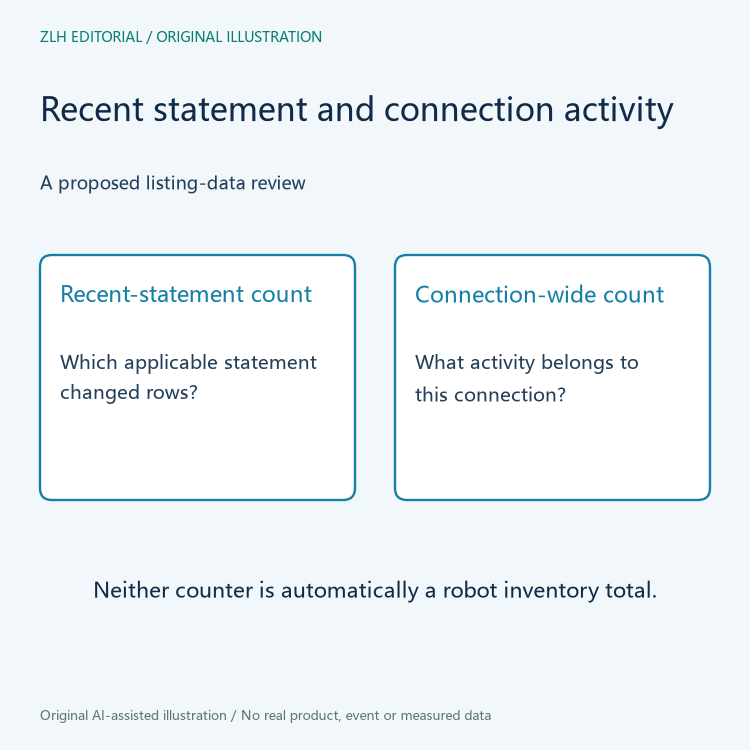
Read the recent-statement scope precisely
The SQLite changes interface documentation describes rows modified, inserted, or deleted by the most recently completed applicable statement on the specified connection. It also explains exclusions, including auxiliary changes caused by triggers and foreign-key actions in that interface’s count.
A supplier should therefore identify the statement and connection context when interpreting that result. A number shown after an activity should not be assumed to summarize every earlier action in a workflow. The documented scope is narrower than an application’s broad success wording might suggest.
This article does not turn those rules into an actual execution result. The source explains an interface. A later authorized review needs the real operation and observation before the buyer can evaluate what a particular number means.
Distinguish connection-wide activity from a global total
The SQLite total changes documentation describes a count since the connection opened, with its stated inclusion and exclusion rules. It includes changes made in trigger programs, while changes from other database connections are outside that connection’s reported activity.
Ask the supplier which connection lifetime the displayed counter concerns. The word total should not be interpreted as every database change ever made or all activity by every client. Retain the scope beside the display rather than let a general label replace the technical explanation.
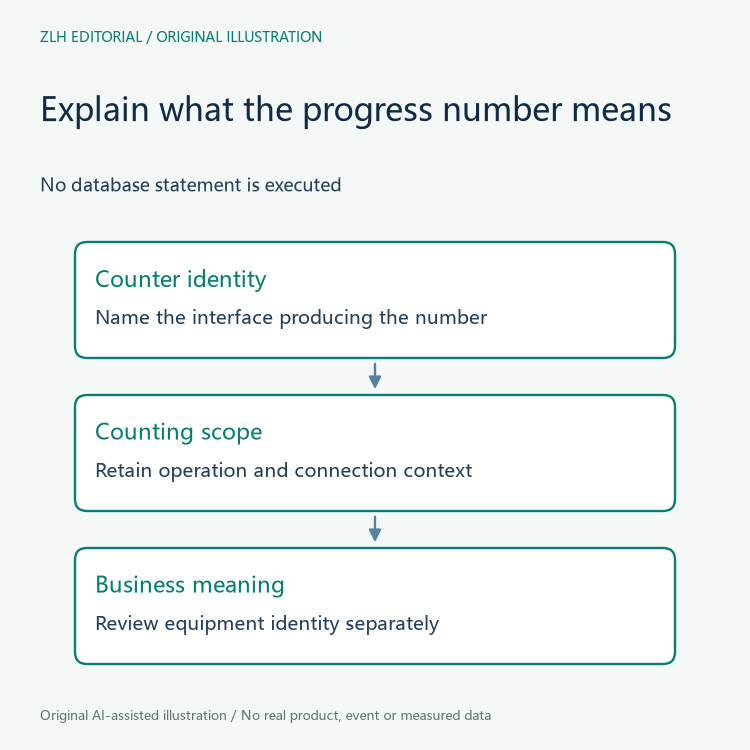
The two interfaces have different counting contexts. A buyer should not compare their results as though they were interchangeable inventory totals. If the application changes which interface it uses, request an explicit explanation of how the meaning of its displayed number changes.
Keep row activity separate from equipment identity
A database row is a representation chosen by the application. One robot may relate to several records, and an activity count does not itself define that relationship. The supplier should provide the data model and business meaning needed for the actual receiving task.
Do not infer that a robot was added, sold, inspected, or accepted from a counter alone. Those statements need the appropriate record context and evidence. A technical database observation should remain bounded to the activity it actually describes.
Require an explanation for revised progress displays
If a supplier changes the processing workflow, ask whether the progress display still uses the same counting scope. A new sequence of statements or a different connection arrangement can make an old label misleading. The receiving record should identify what changed.
Preserve earlier observations with their original implementation context. Reusing a success screenshot from a prior version does not establish the behavior of a revised tool. The buyer needs an attributable account rather than a reassuring number detached from its origin.
Where the scope remains unclear, request clarification before treating the number as an acceptance measure. Choosing the interpretation that produces the largest total would not resolve the ambiguity. A precise open question is more useful than an invented account of processed equipment.
Accept an interpretable data-operation record
The proposed handover should identify the counter, its operation and connection scope, the actual observation, and the separate business question. It can state that inventory meaning remains unverified. That makes the limit understandable to another receiving reviewer.
Related methods appear in our used robot data section and the article directory. The original diagrams contain no actual database, row totals, robot quantities, transaction outcomes, or completed inventory acceptance. They illustrate the questions a real supplier would need to answer.


